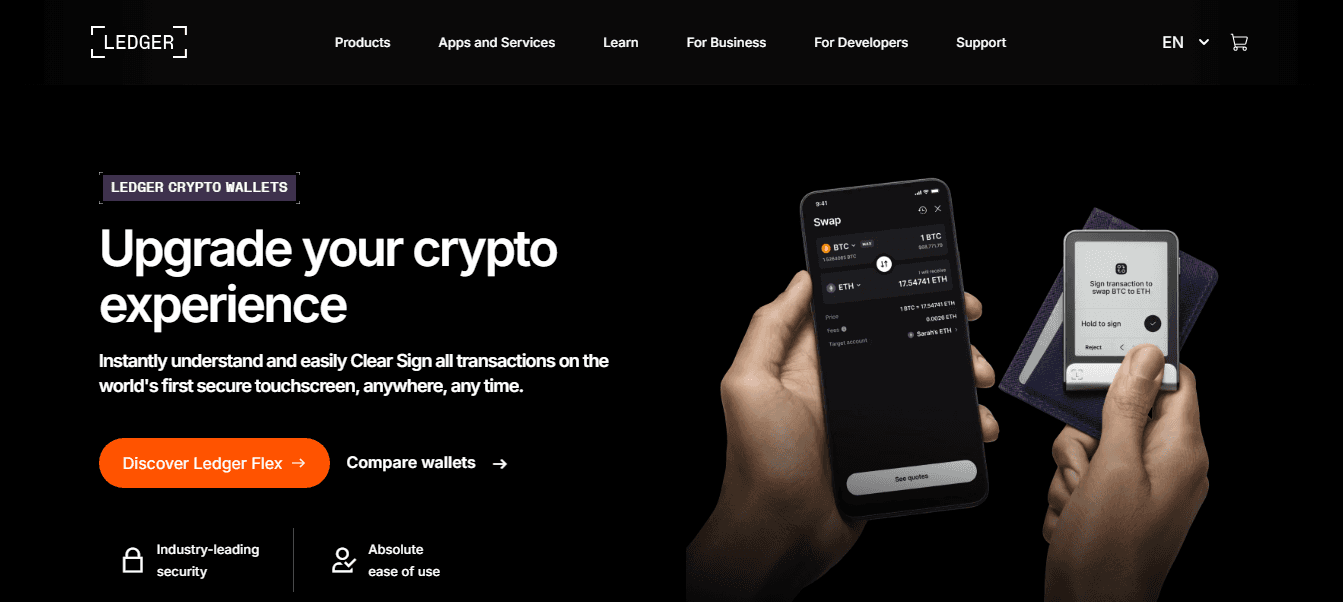
Ledger Live Login – Secure Access to Your Cryptocurrency
Accessing cryptocurrency safely is as important as owning it. With digital assets, security depends entirely on the user, and mistakes can be costly. Ledger hardware wallets provide top-tier protection by keeping private keys offline, while Ledger Live Login allows users to securely connect their hardware wallets to the Ledger Live application. This process makes managing crypto portfolios safe, simple, and convenient.
This article explains how Ledger Live Login works, why it’s important, and how to ensure long-term protection of your digital assets.
Understanding Ledger Live Login
Ledger Live Login is the process of securely accessing the Ledger Live software using a Ledger hardware wallet. Unlike traditional logins that use usernames and passwords, Ledger Live relies on the physical device to authenticate the user.
Private keys remain stored on the hardware wallet, and Ledger Live serves as a secure interface to:
Check balances
Manage multiple cryptocurrency accounts
Send and receive funds
Install coin-specific applications
This approach ensures users maintain full control of their funds while interacting with the blockchain.
Why Ledger Live Login Is Safer Than Passwords
Most online wallets depend on passwords, emails, or two-factor authentication. While these provide some security, they are vulnerable to phishing, malware, and hacks. Ledger Live Login enhances security by:
Keeping private keys offline
Requiring manual confirmation on the Ledger device for every transaction
Eliminating the need for passwords in the login process
Preventing remote unauthorized access
Even if your computer is compromised, funds cannot be moved without physically confirming actions on the Ledger device.
How Ledger Live Login Works
To log in, users connect their Ledger hardware wallet to a computer or mobile device. The device is unlocked using a PIN code, which verifies the user’s identity. Ledger Live then communicates securely with the hardware wallet to display account balances and allow management of assets.
Any sensitive action, such as sending crypto or adding new accounts, requires confirmation directly on the Ledger device. This ensures that private keys never leave the hardware wallet.
Setting Up Ledger Live Login for the First Time
Before logging in, the Ledger device must be initialized. The setup process includes:
Installing the Ledger Live application
Initializing the hardware wallet
Creating a strong PIN
Once these steps are complete, logging in is straightforward. Users simply connect the device to the system, open Ledger Live, and enter the PIN on the hardware device. No usernames or passwords are required, reducing exposure to phishing or hacking attempts.
Importance of the PIN
The PIN is a vital layer of security for Ledger Live Login. It prevents unauthorized access if the device is lost or stolen.
The PIN is entered on the hardware device, keeping it safe from malware
Multiple incorrect attempts trigger increasing delays or device reset
A strong and unique PIN ensures maximum protection
Combined with device authentication, the PIN ensures only authorized users can access the wallet.
The Role of the Recovery Phrase
While the recovery phrase is not used for login, it is critical for wallet security. It allows users to restore the wallet in case of device loss, damage, or replacement.
Ledger Live will never ask for the recovery phrase during login
Requests for it outside the device are phishing attempts
Always keep the recovery phrase offline and secure
Understanding the difference between login authentication and recovery ensures users avoid scams.
Managing Crypto After Login
After logging in, users can:
View their portfolio
Send and receive cryptocurrency
Manage multiple accounts
Install asset-specific applications
Each outgoing transaction must be approved on the Ledger device. Users can review all details, including amounts and addresses, before confirming. This verification prevents errors and ensures that transactions are accurate and secure.
Troubleshooting Common Login Issues
Some common issues with Ledger Live Login include:
Connection problems between the device and computer
Outdated firmware or Ledger Live application
Forgotten or incorrectly entered PIN
Most problems can be avoided by:
Keeping firmware and Ledger Live updated
Using official cables and trusted ports
Following the official setup instructions carefully
These precautions help maintain a smooth, secure login experience.
Best Practices for Long-Term Security
Ledger Live Login is designed to be secure, but ongoing habits are essential for long-term protection. Recommended practices include:
Regularly updating Ledger Live and firmware
Verifying transaction details on the device screen
Avoiding public or shared computers
Never sharing the recovery phrase
Storing the hardware wallet securely
Following these habits reduces the risk of theft, phishing, or accidental loss.
Final Thoughts
Ledger Live Login provides a secure, user-friendly method to access cryptocurrency portfolios with a Ledger hardware wallet. By combining device-based authentication, PIN verification, and manual transaction approval, it offers strong protection against cyber threats.